
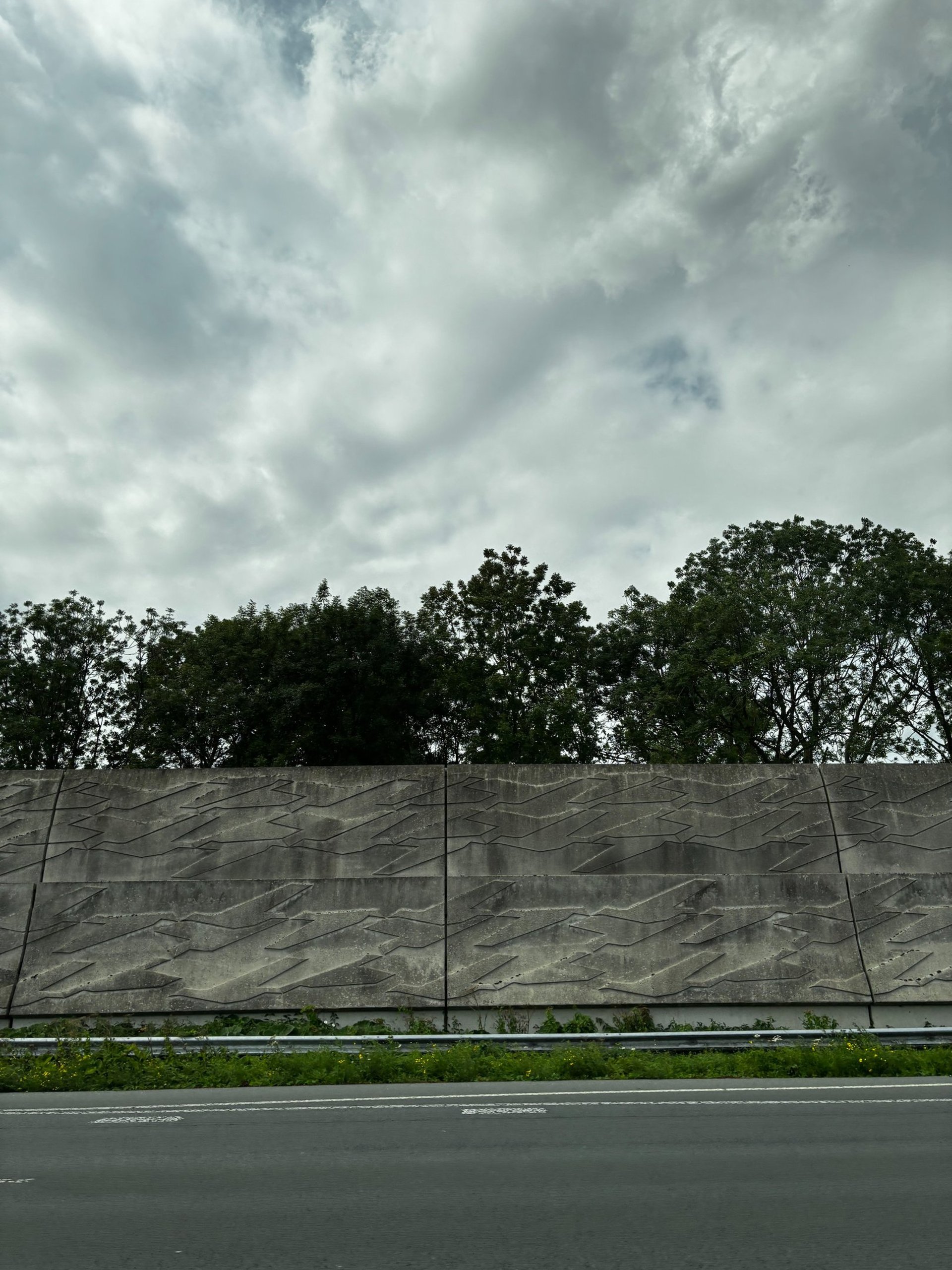
On the Queen Elizabeth Way (QEW) between Brant Street and Trafalgar Road, the Ministry of Transportation (MTO) has established approximately 20–25 pole-mounted traffic sensors for the purpose of monitoring vehicle speeds, presence, and traffic densities, as of January 2026. Costing roughly $25,000 to $125,000 for the devices alone, this does not include direct installation, software, or any related hardware (such as inductive loop sensors) required to ensure traffic data is aggregated accurately and consistently.
This stretch of freeway is less than 20 km in length, and with urban expressways in the province exceeding 500 km in total road capacity, this type of infrastructure, along with road weather information systems (RWIS), costs well into the millions.
To put it simply, Ontario and much of North America are behind. Countries such as the Netherlands and Germany have advanced this technology through extensive networks of variable speed limits.
Similar Intelligent Transportation Systems (ITS) exist in both regions; however, only one is currently being used closer to its full potential.
THE VARIANCE BETWEEN CAPABILITY AND ACTUALITY
Embracing Speed Through Precision
EYEDELTA Systems Precision Response (ESPR) is an algorithm that evaluates the risk level of speed continuously in real time using a combination of mathematical and statistical modeling, as well as traffic microsimulations. ESPR is able to evaluate and recommend speeds to drivers with the primary goal of reducing collision risk and response times.
While the general consensus for many around the globe is that speed is inherently dangerous and should be avoided at all costs, EYEDELTA Systems upholds a different philosophy: speed is an art that must be treated with respect and can be embraced when used responsibly and under strict precision. ESPR does not replace existing technology, nor does it substitute for the experience and skill set of drivers on the road. Instead, it acts as a copilot, reassuring drivers of the speeds they travel at under variable traffic and weather conditions.
ESPR uses data from a variety of traffic and weather sensors and does not capture any information on individual occupants, license plates, or vehicle descriptions besides mere prescence.

EYEDELTA Systems precision response: Emergency
EYEDELTA Systems Precision Response: Emergency is a novel technology primarily designed to shorten emergency response times on highways relative to risk, reduce the likelihood of vehicle collisions during emergencies, and provide operators with mathematically supported assurance on speed based on a variety of environmental, infrastructure, and human behavioral conditions. ESPR provides operators with recommended response speeds based on a multitude of variables and notifies them of current hazards or risks to better anticipate unforeseen conditions in real time.
EYEDELTA Systems precision response: Transport
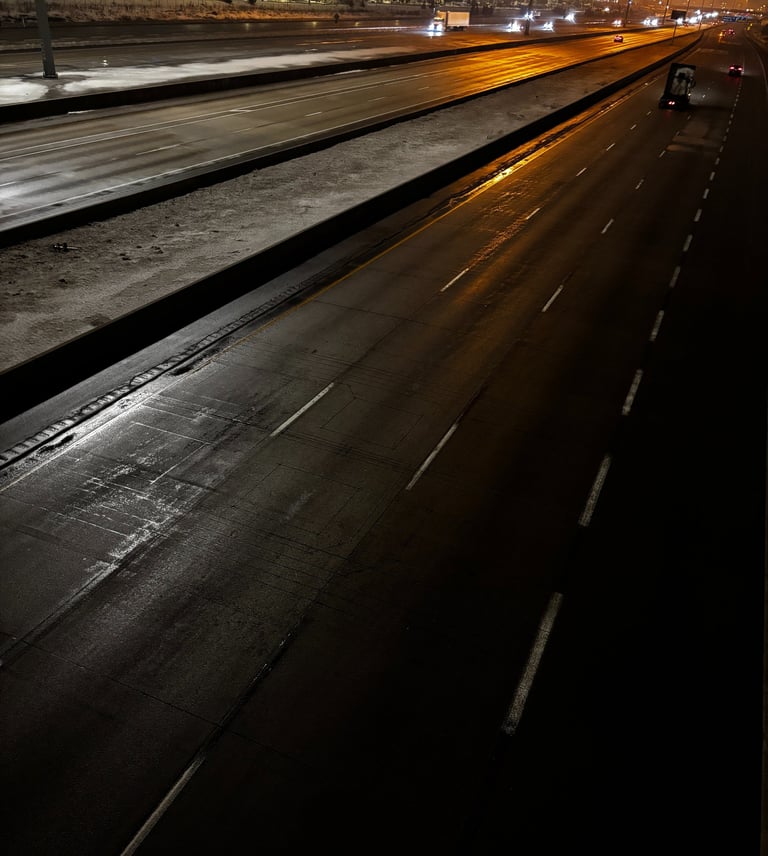
EYEDELTA Systems Precision Response: Transport utilizes similar technology to that of Emergency, with its primary focus being the reduction of collision risk for transport trucks navigating complex urban expressways and the weather challenges often encountered on rural highways. Key factors such as stop-and-go traffic, sudden braking, unexpected heavy winds, and whiteout conditions throughout Southwestern Ontario and around the globe create serious hazards for drivers. By dynamically updating recommended speeds in real time and indirectly improving driver judgment through these adjustments, this risk is significantly reduced.