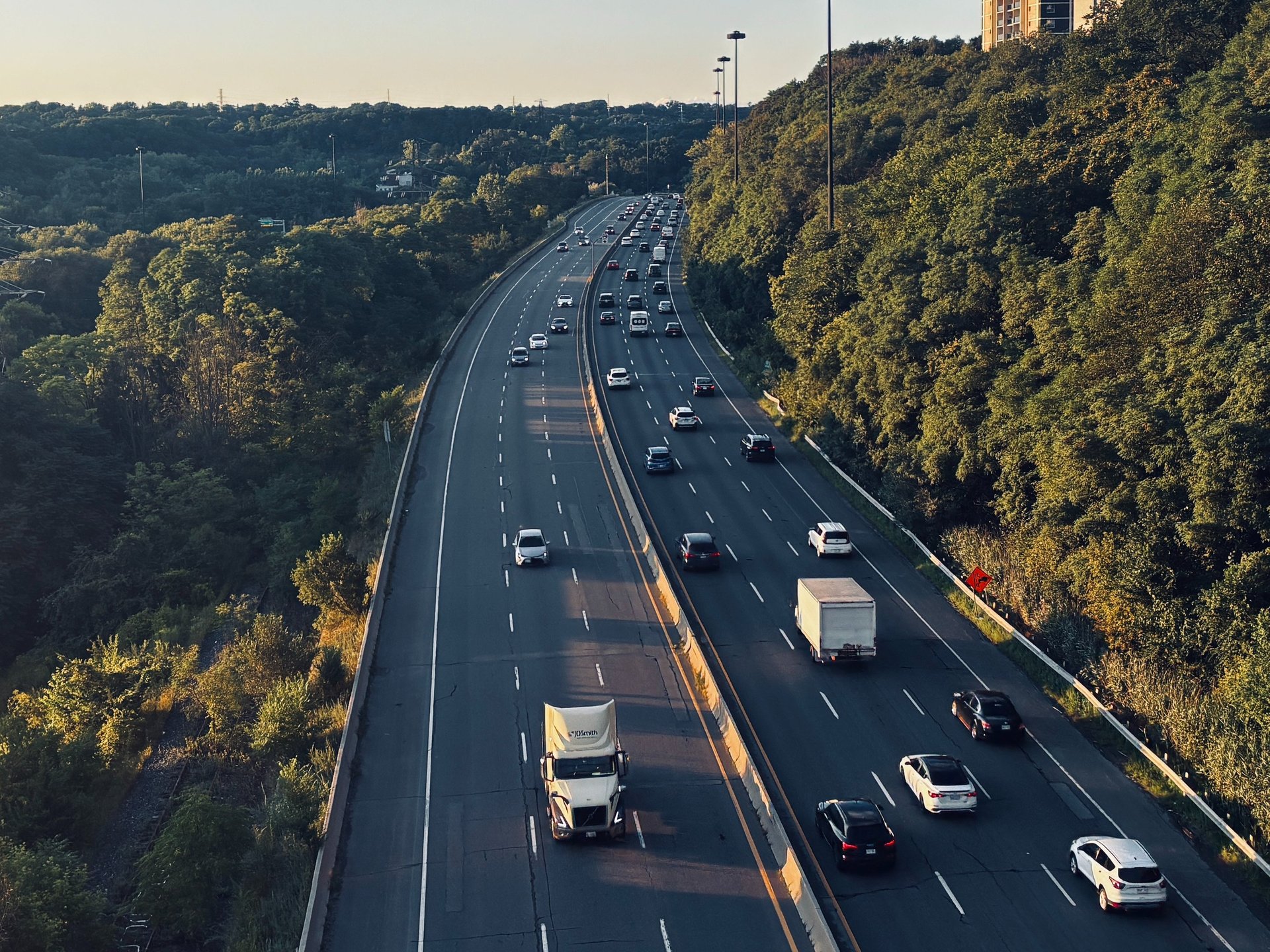
Fostering PRecision through the Art of Driving
“A high-speed system is no different than Mother Nature.
If you treat her right with mutual understanding, she will keep you safe in return.
But if you choose willful ignorance, or take pride in disturbing her rocks along the sea floor,
all remorse will be forgotten once the jellyfish stings.”
—Chris Christou, Founder and Developer of EYEDELTA Systems (2025)

A system can be defined as any series of moving parts, each carrying a specific function to collectively achieve a goal or outcome. Most people do not realize that they are operating within one until it is actively considered, but the reality is that systems are present in almost every aspect of life. From the moment you wake up and take your first breath, your lungs and alveoli work to ensure your body receives a sufficient supply of oxygen, in the same way your car’s fuel pump ensures that fuel reaches the engine so it can generate power to get you to work.
EYEDELTA Systems is an initiative tailored to analyze high-risk and high-stakes complex systems in the field of traffic, specializing in designing frameworks for highway infrastructure that provide a safer, more efficient, and more fulfilling experience for drivers throughout Ontario and nationwide.
The official logo portrays an illustration of the gamma probability density function in the field of statistics, an expression often used in modelling that symbolizes the ability to make predictions through logic in the scientific process. The name EYEDELTA is made up of two parts, where the eye represents the ability to observe and comprehend, and delta represents the changes revealed within a system.
The Symbol of Assurance

Redefining Highway Infrastructure Throughout ontario
EYEDELTA Systems was founded on September 15, 2025, by Toronto-born driving enthusiast and systems architect Chris Christou, with the goal of offering specialized solutions to systemic inefficiencies in the field of traffic. The initiative first began in Chris’ second year of university, designing high-speed express lanes for Ontario’s 400-series highways. It later expanded to redesigning the parking system at the University of Toronto’s Mississauga campus, where many students who had purchased permits had difficulty finding parking due to visitors. These projects were eventually put aside by Chris due to complexities around implementation, feasibility, and safety; however, they taught a crucial lesson on clearly defining both need and execution strategy.
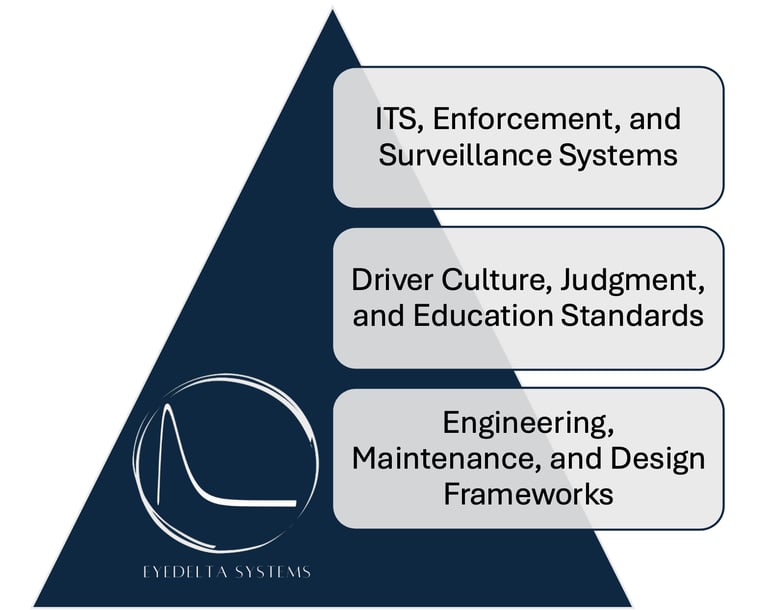
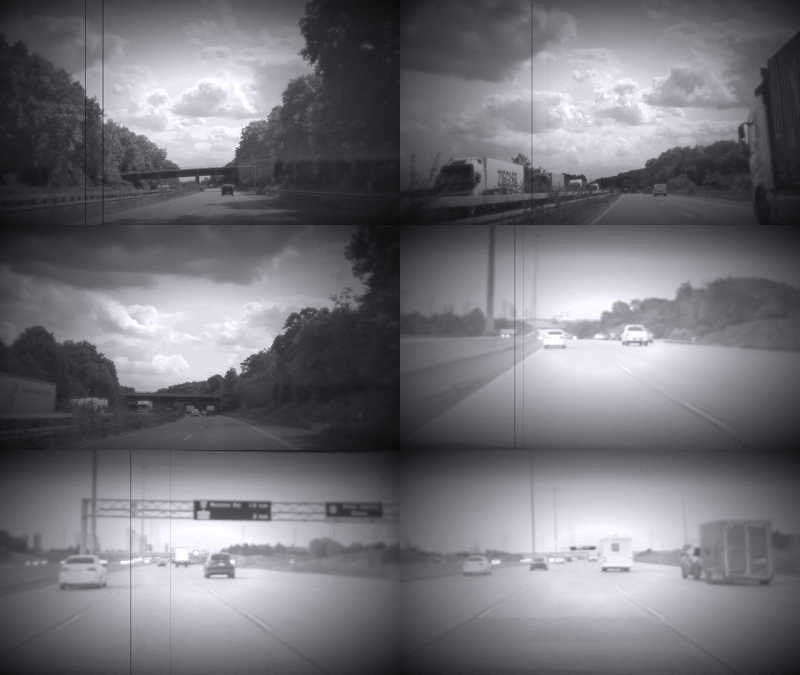
While Ontario’s highway network is certainly not poor in comparison to the rest of the world, there is tremendous room for improvement in both driver skill and in certain intelligent transportation system (ITS) technologies that combine civil engineering with human psychology. One of the key advantages that EYEDELTA Systems focuses on is driver behaviour itself, a critical factor that is often overlooked. Specific safety hazards, such as merging between collectors and express lanes on Highway 401 (where emergency vehicles respond in unpredictable traffic conditions), unenforced close following distances, and poor judgment during lane changes, can make the difference between a high-speed model and a high-speed mess.
EYEDELTA Systems plans to collaborate with emergency operators, civil and traffic engineers, as well as behavioural economists and psychologists, to make Canada one of the leading countries in traffic and transportation infrastructure in the world.